

Florida growers are no strangers to unpredictable weather, but the late January and early February 2026 freeze tested even the most prepared operations. Multiple nights of subfreezing temperatures, combined with high winds, created a rare and challenging scenario for berry growers across the state. At Wish Farms, we saw firsthand how these conditions impacted strawberries and blueberries, and how preparation, teamwork, and resilience helped us rebound.
What Happened: A Freeze Unlike the Norm
This winter’s cold snap was not a single overnight event. Instead, it was a prolonged weather pattern that pushed temperatures into the low 20s across key growing regions, including Plant City and Dover. These conditions occurred during a critical window for berry crops, when plants were actively blooming and developing fruit.
For strawberries, the freeze primarily affected open blooms and ripe fruit. Despite extensive freeze‑protection efforts, including overhead irrigation and continuous field monitoring, some damage was unavoidable. Strong winds in particular made it difficult to maintain consistent protection, leading to localized losses in exposed areas.
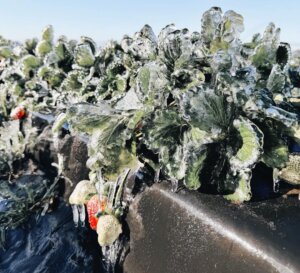
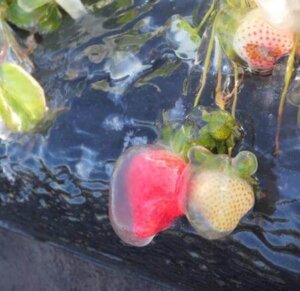
The good news was that once fields were cleaned up and temperatures moderated, strawberry plants responded well, and production began rebounding quickly!
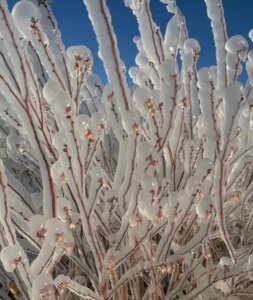
Blueberries, however, faced a steeper challenge. Entering the freeze at a more vulnerable developmental stage, blueberry plants experienced greater stress over multiple nights of freezing temperatures. In several regions across Florida, damage extended beyond current fruit to buds that support future production, significantly reducing expected volumes for the season. Due to repeated freeze events and prolonged cold, overall blueberry volumes in Florida are expected to be 50% lower than originally forecast.

Why Quality Still Matters, Even If Volume Is Down
One of the most important distinctions to make is that freeze impacts volume, not care or commitment. At Wish Farms, our growers and field teams worked around the clock, often through the night, to protect crops using proven freeze‑mitigation practices. These efforts helped preserve plant health and ensure that the fruit that does reach harvest meets our quality standards. For strawberries in particular, cooler weather can enhance flavor development. As production stabilized, consumers continued to expect the sweet, flavorful berries that Florida is known for, just in a tighter supply window.
Looking Ahead: Resilience in Action
While the freeze created undeniable challenges, it also highlighted what makes Florida agriculture, and Wish Farms, resilient! Fields are recovering, plants are pushing new growth, and our teams are already focused on maintaining consistency as we move deeper into the season. Every growing season brings its own set of hurdles. Weather, markets, and production pressures are constants in this industry. What defines success is how growers respond, adapt, and keep moving forward.
At Wish Farms, that means standing with our growers, supporting our partners, and continuing to deliver high‑quality berries, even when Mother Nature makes it difficult.
Sources & Industry Context
This blog was informed by recent industry coverage and market analysis, including reporting from:
- AndNowUKnow on Wish Farms’ post‑freeze recovery and production outlook
- FreshFruitPortal coverage of Florida blueberry losses following the winter freeze
- Agronometrics in Charts analysis of how the cold snap is affecting U.S. berry supply dynamics